
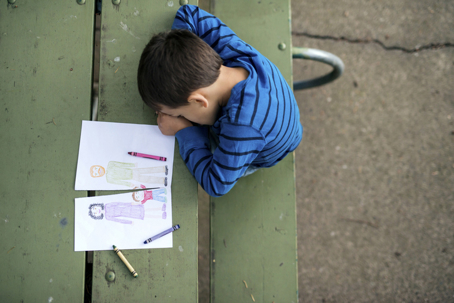
On the Florida Family Law Podcast, host Alex Peterson, owner of Family First Legal Group, comes back to a motto that guides how our firm thinks about family cases:
Kids crave structure.
It’s simple, but it carries a lot of weight, especially when a family is going through divorce or separation, and a child’s world suddenly feels less predictable.
Alex traces this idea back to something he heard years ago: kids can crave structure so strongly that, when they can’t find it at home, they may seek it elsewhere, even in harmful places. His larger point is straightforward: children do not thrive in chaos. They do better when life has routines, clear expectations, and adults who follow through.
Why Structure Matters So Much When Parents Split
Divorce changes the basics of a child’s day-to-day life. Even in the healthiest co-parenting situations, kids are adjusting to new homes, new schedules, and new emotional dynamics.
Alex’s takeaway is that this is not the moment to let everything become “anything goes.” It’s also not the moment to clamp down with harsh, new rules. The goal is steadiness.
When children know what to expect, including where they’ll be, what the rules are, and what happens when they break them, they tend to feel safer. When the rules are random or constantly changing, stress climbs.
Predictable Discipline Is Still Structure
Alex makes a point that some parents need to hear: structure isn’t only about “fun routines.” Structure also includes discipline when it’s consistent.
In other words, it’s not the existence of consequences that harms kids. It’s unpredictability.
Children struggle most when discipline feels random, emotional, or out of proportion. But if expectations and consequences are clear, and enforced reliably, kids can handle it. They know the boundaries.
During Divorce, Don’t Overcorrect in Either Direction
A lot of parents swing to extremes during divorce, often out of guilt, anger, or fear of losing influence.
Alex warns against both ends:
- Don’t overcompensate by dropping all expectations because you feel bad about what your child is going through.
- Don’t become rigid or draconian just to “counter” what you think the other parent is doing.
Kids need stability, not a pendulum swing between “anything goes” and “boot camp.”
Try to Keep Schedules and Routines Predictable
Alex stresses predictability in day-to-day life, especially around child custody and timesharing. When a child doesn’t know where they’re going to be, or when a parent’s time becomes inconsistent or unreliable, that uncertainty can hit hard.
When possible, parents should aim for a routine children can count on: regular exchanges, consistent school nights, dependable bedtime patterns, and stable expectations.
When Co-Parenting Is Possible, Consistency Across Homes Helps
In an ideal world, parents cooperate enough to keep certain rules consistent in both households.
Alex gives a clear example: if a consequence is imposed in one home, the other parent shouldn’t automatically undo it just to be the “fun house.” That undercuts structure and teaches kids they can play the homes against each other.
Not every family can do this. Some co-parenting relationships are too strained. But when parents can align on basic expectations, kids usually benefit.
Be Careful with New Partners and New Rules
Alex also addresses something he sees create major conflict: a new girlfriend or boyfriend stepping in and trying to enforce brand-new rules or discipline styles that the children never experienced during the relationship.
His view is that introducing a new authority figure too quickly, especially one making major changes, often creates resentment and instability for kids. Structure works best when it comes from a parent, not a revolving set of new decision-makers.
Keep the Good Traditions and Build a Few New Ones
One of Alex’s more practical points is about family traditions. Even after divorce, kids often draw comfort from familiar routines: holidays, annual events, traditions around birthdays, Halloween, or simple weekly rituals.
If there’s a tradition your kids love, it may be worth keeping, especially if the only reason you’re considering abandoning it is fear of crossing paths with your ex. Sometimes preserving the child’s stability matters more than avoiding awkward moments.
At the same time, if old traditions aren’t workable anymore, create new ones that are simple and repeatable. Consistency matters more than extravagance.
A Simple Next Step: Think, Plan, Follow Through
Alex encourages parents not to treat “kids crave structure” as a slogan, but as a plan:
- What routines can we keep?
- What rules will stay consistent?
- What consequences are predictable?
- What new traditions can we repeat every year?
He also makes a point about the “knowing-doing gap”: understanding these ideas isn’t the same as applying them. Structure only helps kids if parents build it and maintain it.
About Family First Legal Group
Family First Legal Group represents families throughout Southwest Florida in divorce and custody matters. If you’re navigating a separation and worried about how change will affect your children, getting informed early can help you make decisions that support stability and long-term wellbeing.
You can explore more episodes hosted by Alex Peterson on the Florida Family Law Podcast.